SA Home Renovations

Home Renovations in South Africa

Home renovation projects across South Africa continue to grow in popularity. 

Home renovation is one of the most rewarding projects a homeowner can take on. There’s something deeply satisfying about choosing a fresh exterior colour, installing new tiles, updating landscaping, or finally modernising that tired-looking façade. Small changes can completely transform the feel of your home and instantly improve its value and street appeal.

Most homeowners begin with visible improvements like kitchens, bathrooms, painting, and landscaping. While these upgrades certainly improve aesthetics and comfort, one of the most important areas of your home is often overlooked — the roof.

Start Smart: Renovate From the Top Down

Your roof protects everything beneath it. It shields your home from heavy rain, harsh sun, strong winds, and seasonal storms. When roof issues are ignored, even small problems can lead to costly structural damage over time. If you’re planning renovations, it makes sense to think from the top down.

South African roofs endure unique conditions. Intense UV exposure, sudden downpours, high winds, and temperature fluctuations all take their toll. Even if your roof appears to be in good condition from the ground, hidden weaknesses may be developing — particularly along the edges. These edge areas are typically where roof failures begin.

The Often-Overlooked Roof Edge

When homeowners inspect their roofs, attention usually goes to broken tiles or visible leaks. However, the weakest point of many tiled roofs is not the centre — it’s the verge and roof edges.

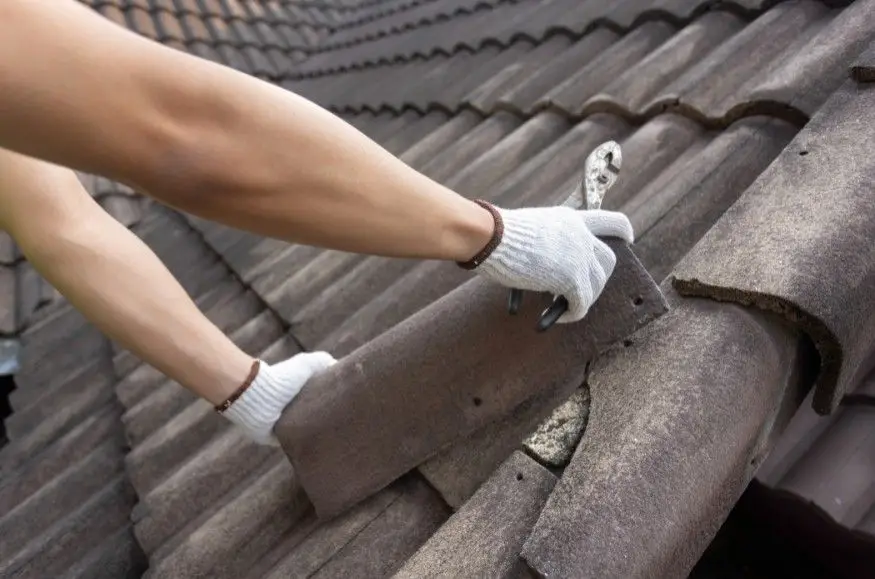
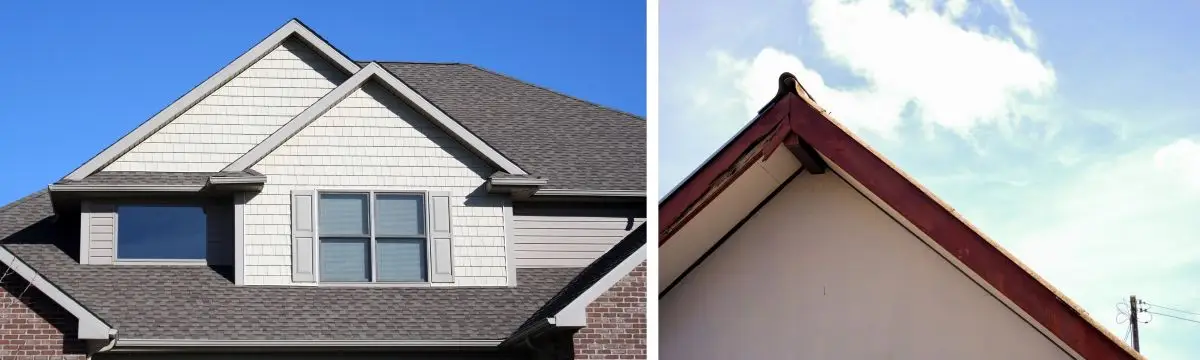
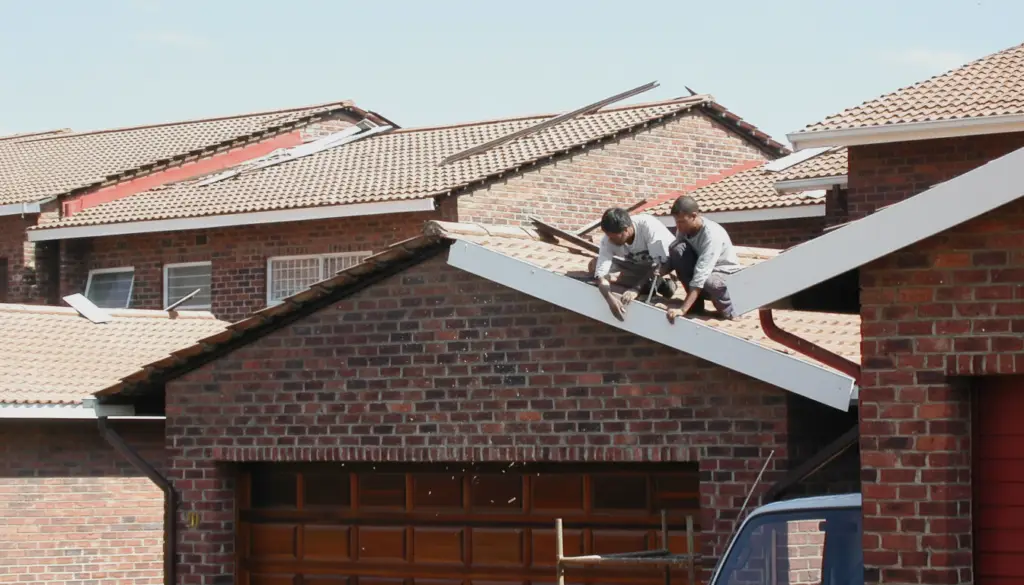
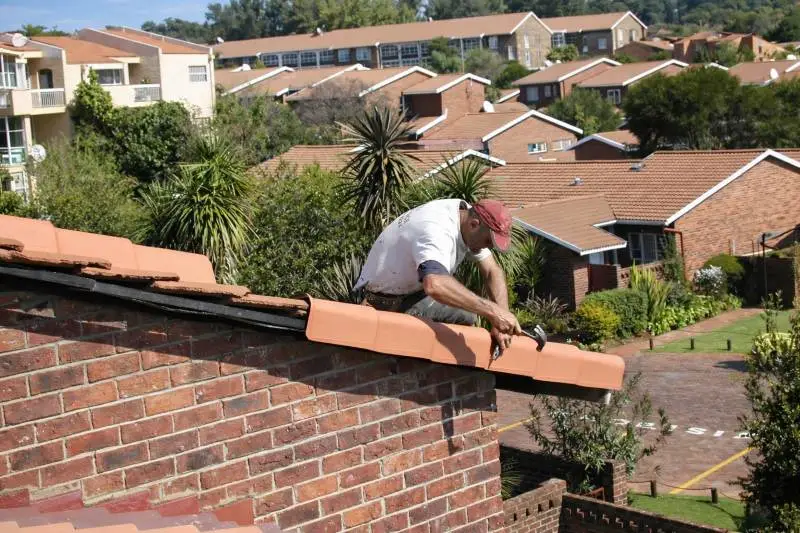
One of the most vulnerable sections of a tiled roof is the verge. The roof verge is the outer edge of your roof where the tiles meet the gable end of the house. Traditionally in South Africa, verge tiles are secured using mortar. While mortar provides a solid finish initially, it naturally deteriorates over time. It can crack, shrink, or break away due to weather exposure. Once the mortar weakens, tiles can loosen. During strong winds, this may lead to uplift or even tile displacement. In heavy rains, cracked mortar can allow water to seep into areas it shouldn’t.

Many homeowners find themselves repeatedly repairing cracked verge mortar. What starts as a minor patch-up can become an ongoing maintenance issue. If you’re already investing in a home renovation, this is the ideal time to inspect the verge carefully. Look for visible cracks, loose tiles, or gaps where mortar has fallen away. Early attention can prevent bigger expenses later.

In South Africa, many homes also use barge boards and fascia boards along the gable ends and roof edges as a more cost-effective finishing solution. While these can create a neat appearance and are often seen as an affordable alternative to mortar finishes, they require regular maintenance and periodic replacement due to weather exposure. Sun, rain, and wind gradually cause them to deteriorate, fall off or rot over time. 

For many homeowners, this cycle feels normal. Cracked mortar? Patch it. Weathered fascia board? Replace it. Rotten barge board? Install a new one. These repairs become part of routine home maintenance. What most homeowners don’t realise is that they are repeatedly repairing the same vulnerable system – instead of considering whether a more durable alternative exists.

A More Durable Approach: The Roof Buddy System

It’s completely understandable to repair what you already have. It feels practical and familiar. But when you’re already investing in a renovation, it may be worth asking a bigger question:

Is there a better, longer-lasting solution available?

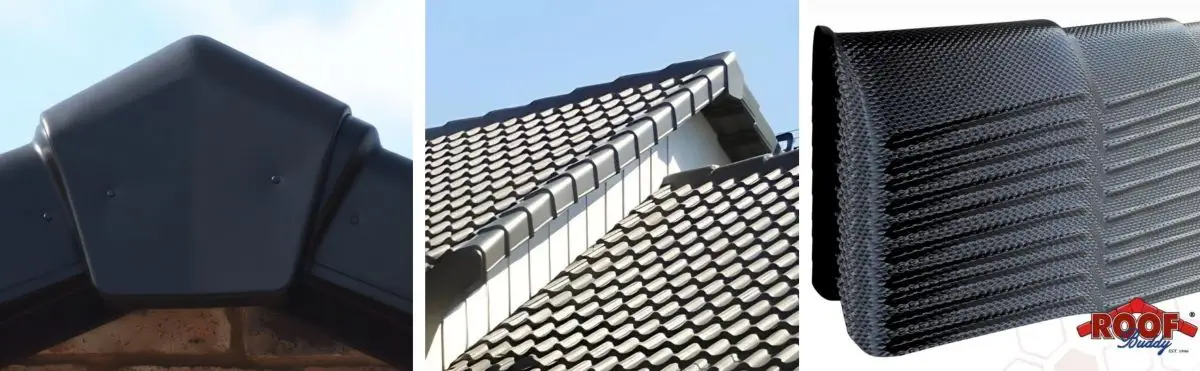
Instead of continually replacing mortar, fascia boards, or barge boards, modern mechanical verge systems offer a stronger, more permanent approach. Rather than relying on materials that naturally deteriorate over time, these systems use engineered components designed for structural durability and wind resistance.

This is where the Roof Buddy system offers a smart alternative.

Manufactured from electro-galvanised steel, the system is designed to provide strength and rigidity along the roof edge — one of the most exposed parts of your home.

Each component is primed with E-coat, a protective coating commonly used in the automotive industry. This adds an extra layer of corrosion resistance, helping the system withstand South Africa’s challenging weather conditions. When installed using the correct ring shank yellow passivated nails, the system offers strong resistance to wind uplift while maintaining structural integrity.

Unlike mortar, which can crack, or timber boards that deteriorate, a mechanically fixed verge system is designed to reduce ongoing maintenance. Instead of entering a cycle of repair and replacement, homeowners can install a solution built for long-term performance.

For those planning renovations, upgrading the verge at the same time makes practical sense. It strengthens the roof edge, improves durability, and helps protect all the interior improvements you’re investing in.
Roof Buddy is designed as an easy DIY solution, with each kit supplied complete with all the necessary components and clear step-by-step installation instructions to guide you through the process.

For homeowners who would prefer professional installation, Roof Buddy strongly recommends using an accredited installer. Accredited installers understand the system, follow correct installation methods, and ensure the finished verge is both secure and waterproof. This provides peace of mind and protects your investment long-term.


Scroll to top
×